Many homeowners are surprised when their renovation quotation in Singapore comes back much higher than expected. In most cases, the issue isn’t overcharging — it’s planning mistakes that quietly inflate renovation costs.
Whether you’re planning an HDB renovation in Singapore, a BTO renovation, or a resale flat renovation, understanding these mistakes can help you avoid unnecessary expenses and keep your renovation budget under control.
This guide highlights the most common renovation mistakes that drive up renovation quotations in Singapore, why they happen, and how to avoid them.
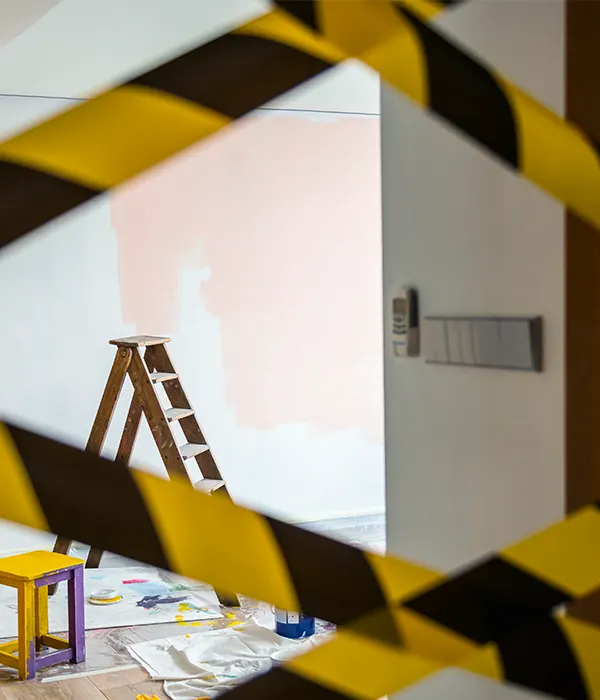
Renovation costs often rise due to unclear scope, rushed decisions, or poor coordination between works.
Common reasons include:
Avoiding these mistakes is essential if you want affordable renovation in Singapore.
Mistake #1: Starting Renovation Planning Too Late
Late planning is one of the biggest causes of inflated renovation quotations.
What usually happens:
How to avoid it:
Start renovation planning 3–6 months before key collection, especially for BTO renovation packages in Singapore and resale flats.
Mistake #2: Accepting Non-Itemised Renovation Quotations
Lump-sum quotations make it difficult to understand where your money is going.
Why this increases cost:
How to avoid it:
Always request itemised renovation quotations in Singapore, clearly breaking down carpentry, electrical, plumbing, flooring, and hacking works.
Mistake #3: Over-Customising Carpentry Throughout the Home
Carpentry is one of the biggest cost drivers in any HDB renovation package Singapore.
Common overspending areas:
How to avoid it:
Focus carpentry on essential storage areas and consider modular or partial carpentry where possible.
Mistake #4: Underestimating Hacking and Disposal Costs
This mistake affects resale renovation in Singapore the most.
Often overlooked costs:
How to avoid it:
Ensure hacking and disposal costs are clearly stated and fixed in your renovation quotation.
Mistake #5: Making Design Changes After Renovation Starts
Late changes almost always result in higher renovation costs.
Why it’s costly:
How to avoid it:
Finalise all layouts, drawings, and material selections before renovation begins.
Mistake #6: Choosing Renovation Contractors Based Only on Price
The cheapest quotation is not always the best option.
Risks include:
How to avoid it:
Compare renovation quotations based on scope, materials, timeline, and experience — not just price. Engage HDB licensed renovation contractors in Singapore.
Mistake #7: Ignoring Electrical and Plumbing Upgrade Requirements
Electrical and plumbing upgrades are often underestimated, especially in older flats.
Cost drivers:
How to avoid it:
Factor these upgrades into your renovation quotation from the start after proper site inspection.
Mistake #8: Falling for Cheap Renovation Packages Without Clarity
Many homeowners are attracted to cheap renovation packages in Singapore without understanding their limitations.
Common issues:
How to avoid it:
Clarify what is included and excluded in the renovation package before committing.
Mistake #9: Not Setting Aside a Renovation Contingency Budget
Unexpected issues are common, particularly for resale flats.
Without a buffer:
How to avoid it:
Set aside 10–15% contingency on top of your renovation budget.
To keep renovation costs under control:
Plan early
Compare at least 3 renovation quotations
Avoid unnecessary custom carpentry
Engage experienced, HDB-approved contractors
These steps significantly improve your chances of achieving affordable renovation in Singapore.
Compare renovation quotations from multiple HDB renovation contractors in Singapore to avoid costly mistakes and secure better pricing.
Differences in scope, materials, carpentry length, and contractor experience cause wide price variations.
They can be, but only if the package scope matches your needs without expensive upgrades.
At least three, ideally five.
Yes, with controlled scope and proper planning — but extremely low prices usually mean compromises.
Excessive custom carpentry and late design changes.
Yes. It helps avoid compliance issues and unexpected costs.

Built Just for #HDB Homes in Singapore