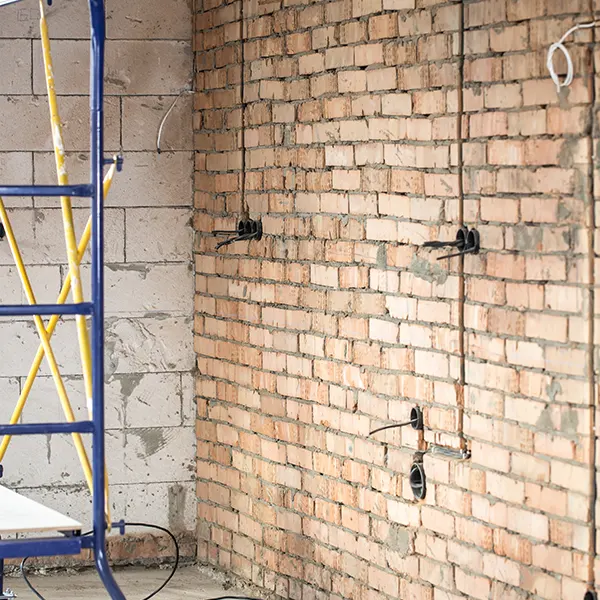
Hacking can completely change the way a home feels.
For Singapore homeowners especially those renovating HDB flats hacking is often considered when they want an open-concept kitchen, a bigger living area, a combined room or a cleaner layout.
Hacking is not just, about knocking down a wall. It involves rules, permits, safety checks, noise limits, debris removal and possible site surprises. Before deciding to remove any wall homeowners should understand what is allowed what may cost more. What could delay the renovation.
This guide covers the hacking considerations Singapore homeowners should know before starting renovation works.
Hacking Consideration | Why It Matters |
|---|---|
Wall type | Structural walls cannot be hacked |
HDB permit | Approval is needed before hacking works begin |
PE endorsement | May be required for certain wall works |
Noisy work limit | HDB hacking works must follow time restrictions |
Debris removal | Hacking creates waste that must be cleared properly |
Hidden issues | Resale flats may reveal problems after hacking |
Cost | Hacking can affect both budget and timeline |
Layout purpose | Hacking should improve function, not just appearance |
Before hacking, always check your floor plan and confirm with your ID, contractor or HDB. Never assume a wall can be removed just because it looks thin.
I have seen that in renovation hacking is not, about knocking down walls.
Hacking can also mean taking out existing carpentry, floor tiles wall tiles, masonry features or built‑in structures.
For resale flats hacking is often required to strip finishes before the space is rebuilt.
Common Hacking Works
Hacking also creates debris, so waste disposal and haulage should be part of the discussion with your renovation team.
Tip
Ask your ID or contractor what is included in the hacking cost. Some quotes may separate hacking, haulage and debris removal.
Not all walls can be removed.
In HDB flats, structural walls cannot be hacked because they are part of the building’s support system. Non-structural walls may be removed in some cases, but approval is still needed before work begins.
What To Check Before Planning Wall Removal
A wall may look removable on the floor plan, but the permit can still be rejected if there are structural concerns.
Tip
Do not design the whole home around a hacked wall until your renovation team confirms that the hacking is likely to be approved.
For HDB flats, hacking works can only begin once the required renovation permit has been approved. Your interior designer or contractor will usually help with the application, but homeowners should factor the processing time into their renovation schedule. Approval typically takes around one to two weeks, while applications requiring a Professional Engineer’s endorsement may take a month or longer.
What To Ask Your ID
Do not start hacking work before approval is granted. It can lead to problems with HDB and may affect your renovation timeline.
Hacking is classified as noisy renovation work. For HDB flats, strict rules govern when such work can be carried out. Activities such as demolishing walls and removing wall or floor finishes must be completed within three days.
Why This Matters
If your renovation involves major hacking, ask your ID how they plan to schedule the works so the project stays within the allowed time.
Hacking can uncover problems that were not visible before.
This is especially common in resale flats because old tiles, built-ins and walls may hide damage underneath. Once hacking starts, your renovation team may find issues that need to be fixed before works can continue.
Possible Hidden Issues
These problems can lead to extra cost, variation orders or delays. This is why resale homeowners should keep more budget buffer compared to BTO homeowners.
Tip
Ask your ID what possible issues may appear after hacking. It is better to know the risks early than be surprised halfway through renovation.
Hacking needs to have a purpose.
Taking out a wall can make a house feel larger. It can also take away privacy, storage area or the ability to change things later. Before you start hacking think about if it makes your daily life better.
Good Reasons To Hack
Reasons To Think Twice
A good layout is not always the most open layout. Sometimes, keeping a wall can make the home more practical.
Hacking is one part of the renovation cost. After taking out a wall you might still need to fix and cover the surfaces make the floor even move electrical outlets add new coverings or put up another partition. Building a wall can cost more, than breaking down an old one because of the materials and the experienced workers needed. Partition walls are often found in BTO flats while solid walls usually cost more and can provide a stronger feel and better noise reduction.
Costs To Consider
Tip
Do not look at hacking cost alone. Ask for the full cost of removing, making good and finishing the affected area.
For BTO Homeowners
BTO flats are newer, so hacking may be mainly for layout changes, such as opening a kitchen or combining rooms.
What To Watch Out For
BTO homeowners should avoid hacking just because it looks nice in a reference image. The change should support daily living.
For Resale Homeowners
Resale flats often involve more hacking because old finishes, tiles, carpentry and built-ins may need to be removed.
What To Watch Out For
For resale homes, hacking can be useful, but it also carries more unknowns.
Most hacking problems happen when homeowners focus only on the design outcome and not the practical steps needed to get there.
Get 3 to 5 personalised renovation quotes from trusted Singapore interior design and renovation firms through Renomoji. Compare layout ideas, hacking considerations, pricing, timelines and renovation scope before deciding who to work with.
Renomoji, your trusted link to Singapore’s top interior design and renovation experts.
No. Structural walls cannot be hacked. Non-structural walls may be hacked only if the proper approval and permits are obtained.
Yes. Hacking walls and removing floor or wall finishes usually require HDB approval before work can begin.
Permit approval usually takes around 1 to 2 weeks. If a Professional Engineer endorsement is required, it may take a month or more.
You will need to revise the renovation plan. This may mean keeping the wall, changing the layout or using a different design solution.
Yes. Hacking is considered noisy renovation work, so it must follow HDB’s allowed timing and duration rules.
Not always. Some quotations may separate hacking, haulage and debris removal. Always ask your ID or contractor what is included.
Yes. Resale renovations often involve more hacking because old tiles, cabinets, wardrobes and built-ins may need to be removed.
It depends on your cooking habits, layout, budget and permit approval. If you cook heavily, a closed or semi-open kitchen may be more practical.

Built Just for #HDB Homes in Singapore