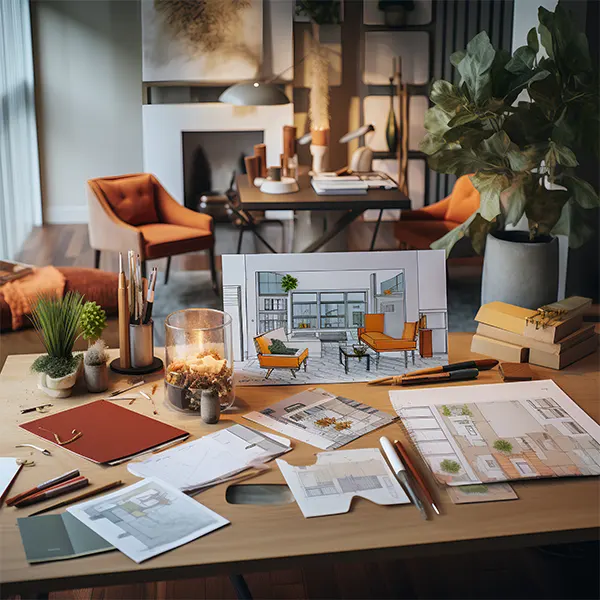
Renovating a home is a job and you have to make a lot of decisions. For people who own homes in Singapore those who have an HDB flat the interior designer is really important. They help you figure out what looks good what you can afford, how to use the space and how to make it work for your life. You should talk to your designer about what you want and need. This will make it easier to avoid problems on.
You do not need to know all the stuff you just need to talk about the big things with your interior designer before they start working. This way you and your interior designer are on the page about what your home should look like and how it should work. This guide will go over the things that homeowners in Singapore should talk about with their interior designer before they finalize the renovation plan, for their HDB flat or home.
Decision Area | Why It Matters |
|---|---|
Budget | Keeps the design realistic from the start |
Layout | Affects movement, comfort and daily use |
Kitchen style | Impacts cooking habits and maintenance |
Storage | Helps reduce clutter after move-in |
Materials | Affects look, durability and cleaning |
Electrical points | Prevents inconvenient socket placement |
Carpentry | Controls both cost and function |
Timeline | Helps plan move-in, deliveries and handover |
A good discussion with your ID should cover both design and lifestyle. The final home should not only look good in photos, but also feel comfortable to live in every day.
When we talk about the budget it should be at the beginning before we start thinking about what the design will look like.
Many people who own homes do not like to talk about how money they have to spend but it really helps the interior designer make a plan that will work for them. If we do not know how much money is available the design might include things that look nice. Are not realistic for the budget of the homeowner.
The budget also helps us figure out which parts of the design are worth spending a little money on and which parts can be simpler, like the interior design budget. It is really important to think about the budget and the interior design budget.
Discuss These With Your ID
For example, you may choose to spend more on kitchen carpentry and storage, but keep the TV feature wall simple. This helps your renovation feel more controlled.
The layout of the home affects how the home feels every day.
When you are thinking about the home you need to think about how you move around the home.You should discuss where you spend most of your time in the home and what areas of the home need to feel open or what areas of the home need to feel private.
A good layout of the home should make your daily routines, in the home a lot easier the layout of the home should not just make the home look stylish it should also make the home a comfortable place to live in the home.
Discuss These With Your ID
If you have children, elderly parents or pets, tell your ID early. These details can affect layout, materials and safety planning.
The kitchen needs to be designed based on the way you cook.
Some people only make meals while others cook every day. This decides if an open kitchen, a kitchen or a semi-open kitchen is better.
A kitchen that looks good but does not help with your cooking habits can become annoying after you move in.
Discuss These With Your ID
If you cook often, your ID may suggest more durable materials, better ventilation and easier-to-clean surfaces.
Storage is really important when you are renovating your HDB flat.
Your home may look great when you first get the keys. If you do not plan the storage properly it can get very messy very quickly after you move in.
You do not have to put cabinets over the place storage is needed in certain areas so think about where you really need storage based on the way you live in your HDB flat. Then you can discuss that.
Discuss These With Your ID
Good storage should be easy to access. If items are stored too far from where they are used, the home may still feel messy.
When you pick materials do not just think about how they look.
Your ID can help you see the difference between kinds of finishes but you should also tell people about how you clean and what you expect for maintenance. Some materials are really nice to look at. They can get stained or scratched easily or they can show fingerprints.
Other materials may not look as nice. They are better for homes with a lot of people because they are easier to take care of and that is important for busy households like the materials, in your home the materials.
Discuss These With Your ID
If you want a low-maintenance home, say it clearly. This helps your ID recommend finishes that fit daily use better.
Planning the stuff in your home is something that people often forget about but it really matters when you are living there every day.
If the sockets are not put in the places it can be a real problem with lots of extension plugs lying around especially near the TV your study table, the kitchen counter and your bedside table.
You should also think about the lighting on because it can really change how you feel in a room what you can do in it and it also affects the work that needs to be done on the ceiling like installing lights and fans and things like that so electrical planning and lighting are really important things to consider when you are moving into a new place and that includes the electrical planning, for your home.
Discuss These With Your ID
It helps to walk through your daily routine and list the devices you use often. This makes it easier to plan sockets in the right places.
Carpentry is one of the cost drivers, in renovation so it should be planned carefully.
Custom carpentry can improve storage. Make the home look more complete but too much of it can increase cost and reduce flexibility.
Before confirming carpentry discuss both function and budget with your ID.
Discuss These With Your ID
Ask yourself whether each carpentry item solves a real problem. If it is only decorative, you may want to reconsider.
Renovation timelines can change a lot. This usually happens when people take long to make decisions or when problems come up at the site.
Before they start working on your place you should ask your Interior Designer for an idea of how long everything will take. You need to know what decisions you have to make
You should also talk to your Interior Designer about what happens if you want to make changes while the renovation is going on.
Discuss These With Your ID
This helps avoid confusion if there are changes, delays or additional costs later.
BTO homeowners usually start with a cleaner space, so the main focus is planning the layout, storage and move-in essentials properly.
Discuss These Early
BTO renovation may be more straightforward, but poor planning can still lead to inconvenient layouts after move-in.
Resale renovations usually involve more unknowns, so site condition and budget buffer become more important.
Discuss These Early
For resale flats, your ID should help you understand what can be kept, what should be replaced and what may affect the total cost.
Most renovation problems happen when decisions are unclear or made too late.
Get 3 to 5 personalised renovation quotes from trusted Singapore interior design and renovation firms through Renomoji. Compare design ideas, pricing, timelines, scope and working style before deciding who is the right fit for your home.
Renomoji, your trusted link to Singapore’s top interior design and renovation experts.
Start with your budget, lifestyle needs, design preferences, must-have features and expected move-in timeline. These details help your ID plan more realistically.
Yes. Sharing a realistic budget helps your ID suggest suitable materials, layout ideas and carpentry scope without overdesigning beyond your comfort level.
Carpentry, hacking, flooring, tiling, kitchen works, toilet works and electrical changes usually have the biggest impact on renovation cost.
Electrical points should be discussed before renovation starts and before carpentry is finalised. This helps avoid inconvenient socket locations later.
Think about your daily items, cleaning tools, shoes, clothes, kitchenware, work items and bulky household items. Your ID can help plan storage around these needs.
Both matter, but maintenance should not be ignored. If you want an easy-care home, choose materials that are durable, practical and suitable for daily use.
Yes, but changes may affect cost and timeline. Major changes should be confirmed in writing before work continues.
Check carpentry, lights, sockets, plumbing, tiles, paintwork, doors, drawers, windows, silicone finishing and any agreed touch-ups before making final payment.

Built Just for #HDB Homes in Singapore