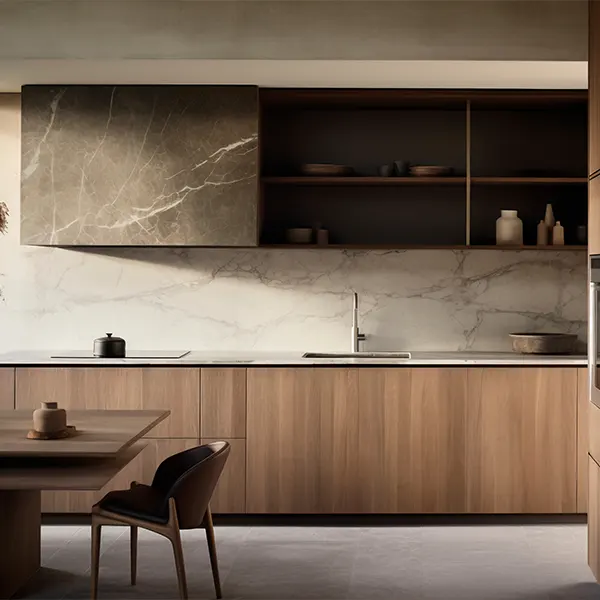
Kitchen cabinets are one of the most important components in a functional kitchen renovation. They not only store utensils and appliances but also define the workflow and overall look of the space.
In Singapore homes, especially compact HDB flats and condominiums, well-designed cabinets can make a small kitchen feel more spacious and organised. Poor cabinet design, on the other hand, can lead to clutter, inefficient workflow, and wasted space.
When planning your kitchen renovation, considering both practicality and aesthetics is essential. Below are key cabinet design considerations that every homeowner should keep in mind.
Before designing your cabinets, evaluate your storage requirements.
Consider:
Tip: Avoid overbuilding cabinets for items you rarely use. Modular or adjustable shelves can be more versatile and space-efficient.
Different cabinet types offer varying benefits depending on your kitchen usage.
Common options include:
Your choice should align with your cooking habits and storage needs.
Cabinet materials and finishes impact both durability and maintenance.
Popular options among Singapore homeowners include:
For busy households, low-maintenance finishes like laminates or matte acrylic are often preferred.
Kitchen workflow is essential for efficiency.
Cabinets should be positioned to:
Designing with workflow in mind reduces time spent searching for items and keeps the kitchen organised.
Handleless or recessed handles: Easier to clean and maintain
Adjustable shelving: Adapts to changing storage needs
Integrated appliances: Conceals appliances like microwaves and dishwashers for a clean look
Under-cabinet lighting: Improves visibility on work surfaces
These small considerations can significantly improve both functionality and aesthetics.
Compare renovation quotations from experienced contractors to explore cabinet layouts, materials, and storage solutions tailored to your lifestyle and kitchen space.
Storage needs, workflow, and durability are the main factors that determine functional cabinet design.
Laminates and matte acrylic panels are low-maintenance options suitable for humid environments and daily use.
Use tall cabinets, wall-mounted units, pull-out drawers, and corner solutions like lazy susans to optimise space.
Custom cabinets allow for exact fit and workflow optimisation, while modular cabinets are versatile and easier to modify later.
Properly designed cabinets ensure frequently used items are within reach, reduce unnecessary movement, and complement the kitchen layout.
Handleless cabinets are easier to clean and give a streamlined, modern look, though it’s a matter of personal preference.

Built Just for #HDB Homes in Singapore