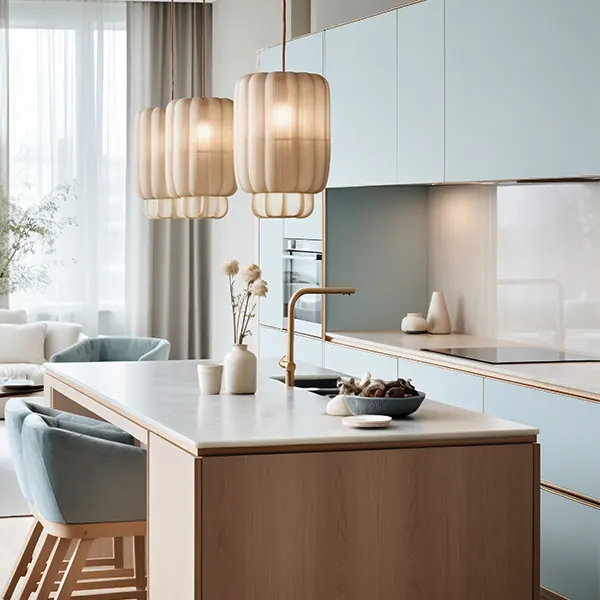
Interior design trends in Singapore evolve as homeowners’ lifestyles and priorities change. Today, renovations are no longer just about aesthetics — they are also influenced by practicality, maintenance, flexibility, and personal expression.
Whether renovating an HDB flat or a condominium, many homeowners now look for designs that balance style with everyday functionality. Designers are also seeing stronger demand for adaptable spaces, warm materials, and interiors that reflect the personality of the homeowner.
Understanding these trends can help homeowners make better renovation decisions that remain stylish and practical for years to come.
Below are some of the key interior design trends shaping HDB and condo renovations in Singapore today.
Minimalism remains one of the most requested interior styles among Singapore homeowners.
However, modern minimalist homes are not about empty spaces or stark interiors. Instead, they focus on creating calm environments with simple layouts, clean lines, and reduced clutter. Designers note that many homeowners prefer uncluttered homes because they feel more relaxing after long workdays.
Key features of modern minimalist interiors include:
This style works especially well for HDB flats where efficient use of space is important.
While neutral tones remain popular, homeowners are gradually introducing more colour into their homes.
Instead of bold or bright palettes, the trend leans towards earthy and nature-inspired shades such as:
These colours add warmth and personality without overwhelming the space. Designers often recommend them because they are versatile and work well with many interior styles.
Adding colour through furniture, wall accents, or décor allows homeowners to personalise their interiors while maintaining a balanced aesthetic.
Lifestyle changes — especially hybrid work arrangements — have made flexible spaces more important than ever.
Many homeowners now design rooms that can serve multiple purposes.
Common examples include:
Flexible layouts help maximise limited floor space while allowing the home to adapt to changing needs.
Another growing trend is the subtle return of retro and mid-century design influences.
Rather than fully committing to vintage interiors, homeowners are blending retro elements with modern designs.
Examples include:
These elements add personality to the home while maintaining a contemporary feel.
In the past, many Singapore renovations relied heavily on built-in carpentry to maximise storage.
However, some homeowners are now choosing to install fewer permanent built-ins and instead rely more on loose furniture. This approach offers greater flexibility because furniture can be rearranged or replaced easily over time.
For example:
This trend reflects the growing preference for adaptable living spaces.
Homes are increasingly becoming a place for personal expression.
Many homeowners now incorporate display cabinets, shelves, or feature niches to showcase items that are meaningful to them.
Common display items include:
Instead of hiding these items in storage, display areas allow homeowners to personalise their living space.
Another major trend is future-proofing renovation decisions.
With property prices remaining high, homeowners are thinking carefully about how their renovation choices might affect future resale value or lifestyle changes.
For example, some homeowners:
Avoid hacking too many walls
Choose flexible layouts
Plan rooms that can adapt to family growth
This approach ensures the home remains functional even as needs evolve.
Compare renovation quotations from experienced renovation contractors to discover design ideas, costs, and layouts that match your lifestyle and budget.
Minimalist design remains one of the most popular styles because it creates clean, calm, and easy-to-maintain living spaces.
Yes. Many homeowners are introducing earthy tones such as terracotta, sage green, and warm beige to add warmth and personality.
Flexible layouts allow spaces to adapt to changing needs, such as working from home or accommodating guests.
Yes, but some homeowners are choosing fewer built-ins and relying more on loose furniture for flexibility.
Future-proofing means planning renovations in a way that allows the home to adapt to lifestyle changes or maintain resale value.
Review different interior design inspirations, understand your lifestyle needs, and consult renovation professionals before deciding.

Built Just for #HDB Homes in Singapore